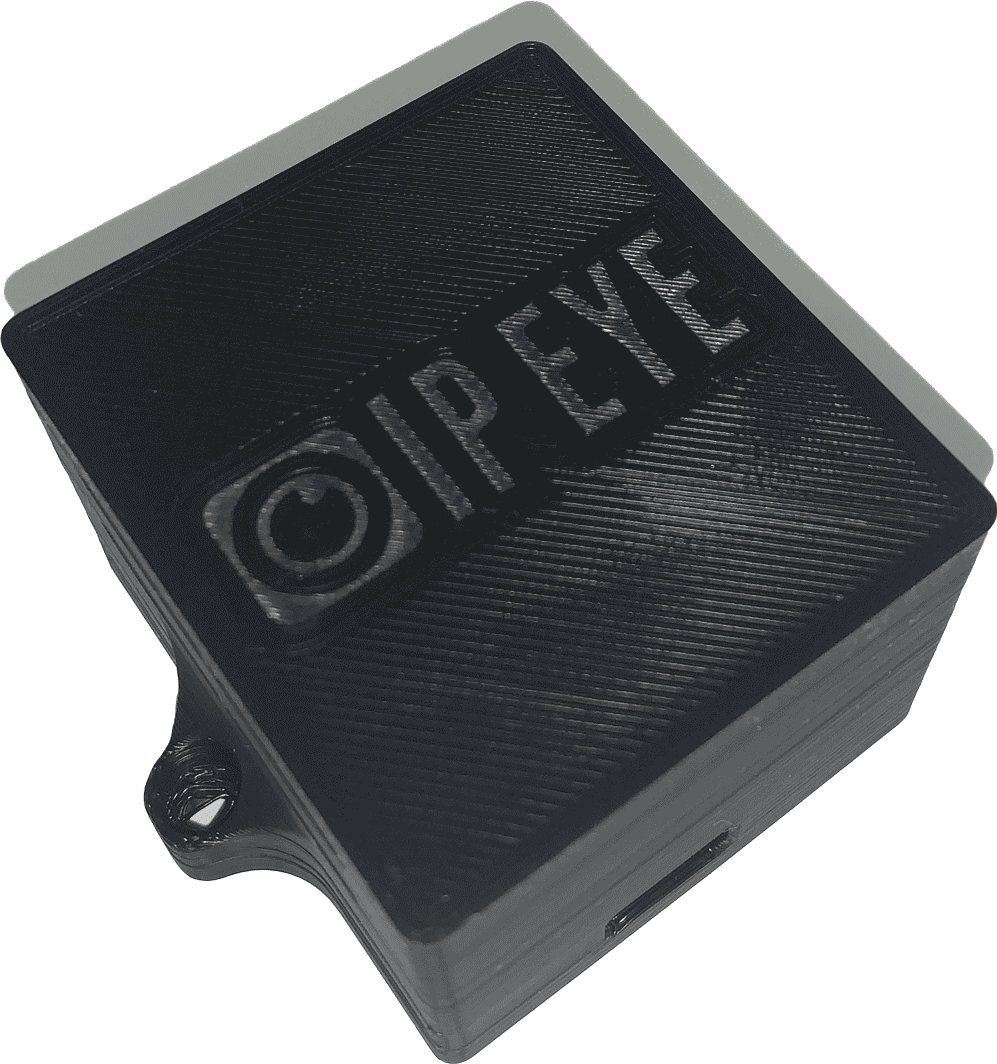
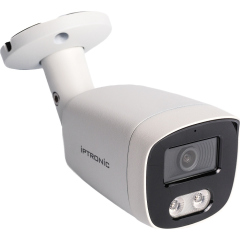
The IPEYE cloud video surveillance service combines convenience and affordable prices.
Video storage – starting from just 0.11 dollar per day. Up to 10 cameras in the personal account without data storage – free of charge.
Watch videos in real-time mode.
Connecting to the cameras from any place in the world where there is the Internet access.
Setting up the limited and public access to the viewing.
Easy searching of the necessary video by date and time.
Secure storage of your records in the cloud service.
Select and download any fragment to your phone, PC or tablet computer.
IPEYE offers a catalogue of cameras open for public viewing. Mark the location of your cameras and watch the videos of other IPEYE service users!
Teflon Don didn’t reinvent hip-hop. Instead, it perfected a persona and sound—expensive, deliberate, slightly menacing—anchoring Rick Ross as the ostentatious architect of his own narrative. The album’s final echoes linger like a lock clicked shut: an assertion of survival, supremacy, and the stubborn belief that some reputations, once forged, are mass-produced to last.
From the first bars, Teflon Don announces a world. It’s one where opulence is measured in acres and accents, where power is a slow-moving locomotive and music is the smoke that curls from its exhaust. Ross’s baritone prowls over cavernous beats that married vintage soul samples with modern trap sheen; the production reads like an instruction manual for how to make wealth sound cinematic. Big names orbit him—Kanye, Jay-Z, Dr. Dre, T.I.—but the atmosphere is never crowded. It’s a mansion, not a stadium.
Critically, the album sharpened Ross’s image from regional heavyweight to national institution. It evoked both admiration and critique—some hailed the opulent vision and cinematic scope; others pointed to a sameness in cadence and content. Yet whether lauded or questioned, Teflon Don hardened his brand: Ross as mogul-rapper, a figure whose public persona deflected many of the criticisms that might stick to lesser acts—hence the apt sobriquet.
Beyond sales and reviews, the record’s imprint is in tone-setting. It influenced peers pursuing the “luxury trap” lexicon, and it helped normalize cinematic grandiosity in mainstream hip-hop that followed. Listening years later, the album serves as a time capsule of a particular ambition-driven era: when rap celebrated accumulation not merely as material success, but as aesthetic and myth.
The IPEYE company distributes its equipment via the authorized dealers throughout Russia. To order our equipment, contact a representative in your area or call 8-800-100-39-45.